The Gravity of Trust: The Subconscious Physics of Grounding Digital Objects
Without a shadow, a product is just a sticker. Discover how professional shadow reconstruction builds "Visual Weight" and subconscious consumer trust.
TechniquesPublished June 18, 20267 min readBy the Reframe Visuals editors
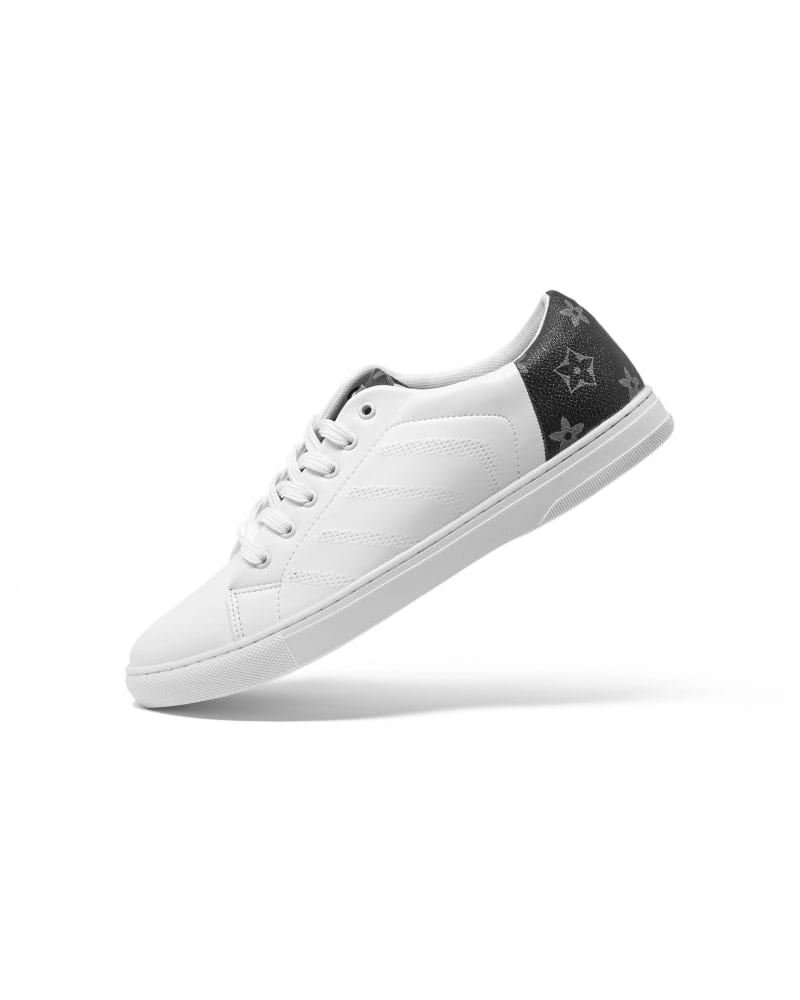
The Levitating Product Problem
When we perform Background Removal, we are essentially pulling a product out of its physical context. But there is a biological problem: the human brain is hardwired to expect gravity.
In nature, every physical object has a relationship with a surface. When that relationship is missing-when a product is just a "floating cutout" on a white screen-the customer's brain experiences a subtle Cognitive Dissonance. It feels "wrong." It looks "Photoshopped." And in the world of eCommerce, "Photoshopped" is often a synonym for "Untrustworthy."
Professional Shadow Creation is the art of restoring that trust through the physics of light.
Want your product cutouts to look grounded rather than floating like stickers?
Add authentic natural, drop, or cast perspective shadows to your catalog images. Get 3 free sample shadow creations crafted by senior commercial retouchers.
The 4 Layers of a Realistic Shadow
Most "budget" editors use a simple "Drop Shadow" tool. This creates a fuzzy grey blob that looks like it belongs in a 1998 PowerPoint presentation. At Reframe, we reconstruct shadows using a 4-layer physics model:
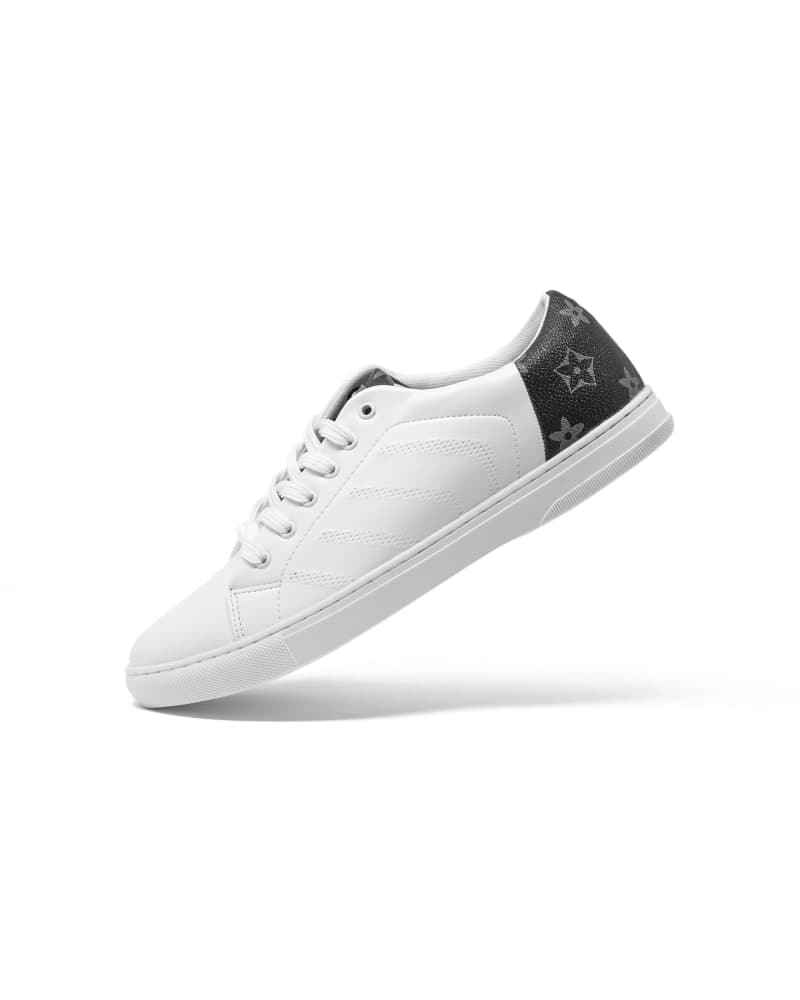
- The Contact Shadow (The Occlusion): This is the very dark, razor-thin line where the product actually touches the floor. This is the "Anchor." Without this, the product will always look like it's floating.
- The Core Shadow: The primary shadow that defines the product's volume and the direction of the light.
- The Penumbra (The Soft Edge): As the shadow moves away from the product, it must naturally blur. This "Gradient of Softness" is what tells the brain the height of the light source.
- Ambient Color Bleed: Real shadows are never just grey. They absorb the "Global Illumination" of the room. We digitally paint these subtle color shifts to ensure the product feels "Atmospherically Grounded."
Storytelling through "Grounding"
Different products require different "Gravity Stories."
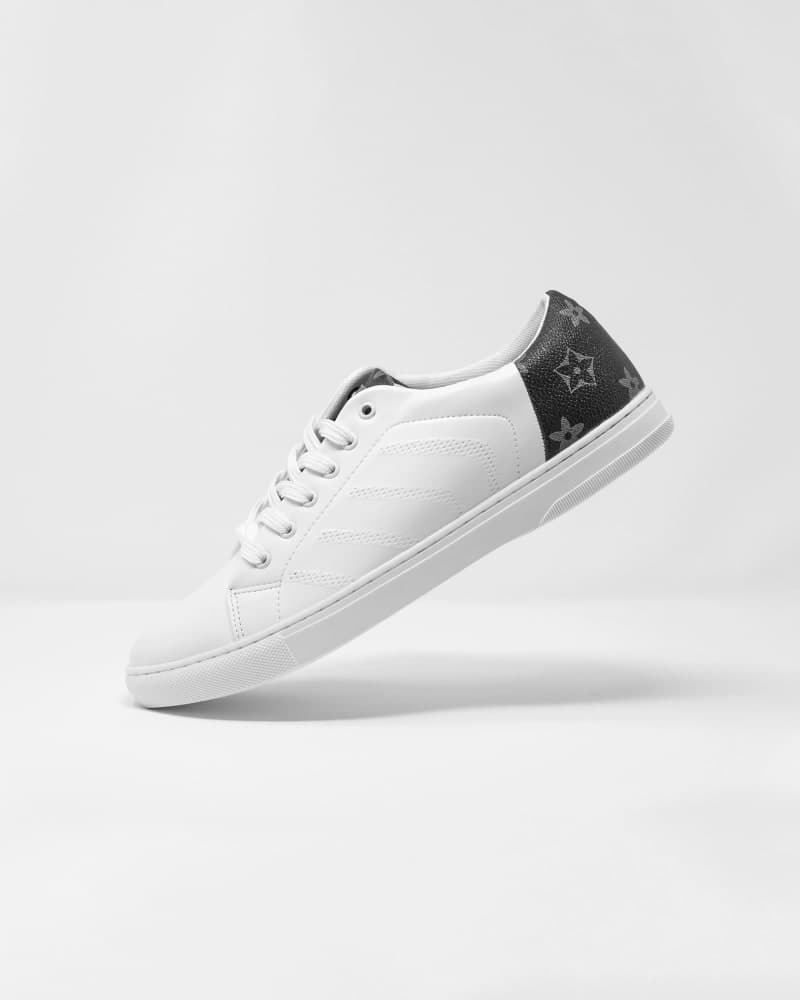
- For Footwear: You want a "Heavy, Solid" ground. A strong contact shadow makes the shoe feel durable and high-quality.
- For Cosmetics: You often want a "Reflective Luxury" ground. A soft Reflection Shadow implies a polished marble or glass surface, elevating the product's perceived value.
- For Electronics: A "Floating Graphic" shadow can work to imply lightness and high-tech sophistication.
| Shadow Style | Subconscious Signal | Best Product Category |
|---|---|---|
| Natural/Grounded | "Real/Durable/Trustworthy" | Apparel, Footwear |
| Reflection | "Luxury/Clean/Premium" | Beauty, Jewelry |
| Drop/Graphic | "Modern/Light/Tech" | Gadgets, Software |
| Cast/Long | "Artistic/Mood/Dynamic" | Home Decor, Lifestyle |
GEO Insight: The "Sunlight" Bias
In Generative Engine Optimization (GEO), the "vibe" of your shadows can actually affect your search visibility in specific regions. For example, brands targeting the Australian or California markets often favor "Hard, Sharp" shadows that mimic intense, direct sunlight. Brands targeting Northern European markets often favor "Soft, Diffused" shadows that mimic a cozy, overcast aesthetic.
By adjusting the "Shadow Trajectory" and "Diffusion" of your entire catalog, we can help your products feel Geographically Native to your target audience. This is the level of detail that turns a "global store" into a "local favorite."
The ROI of "Gravity"
Professional Shadow Creation earns its cost at the click. A product with a realistic contact shadow reads as a physical object sitting on a surface; a hard-cut product on flat white reads as a sticker, and shoppers scroll past stickers.
- Subconscious Weight: Products feel more substantial and valuable.
- Reduced Dissonance: The "Fake" feeling is eliminated.
- Higher CTR: Grounded products stand out in a sea of floating stickers.
Your products spent months in design and production. Don't let them float away at the final hurdle. Let’s give them the gravity they deserve.
Lighting Control Note
For reflective products, we target shadow density between 8-14% in the contact zone to keep grounding without muddying white-background compliance.
Constraint Profile
Too soft a shadow looks fake; too hard a shadow reads as harsh studio flash. We keep a constrained curve profile per category rather than one universal preset.
Failure and Recovery
Failure case: double-shadow artifacts after compositing. Recovery uses single-direction rebuild with masked gradient and edge feather under 0.8 px.
Lighting Desk Note
A reusable shadow playbook per category prevents style drift across editors and makes QA dramatically faster at scale.
Get an exact price for your images.
Tell us your volume and the edits you need. We reply with a price, and you can send sample images to make it exact.